ERP frameworks are software packages that integrate all information and related procedures of any business or organization. Intended to encourage the ease of internal business processes in an enterprise, ERP software has turned into a competitive tool for massive retail organizations.
ERP software uses a single database that enables different departments of an enterprise to communicate with each other in an efficient way. It involves function specific features that are intended to connect with different modules, for example Order Entry, Accounts Payable, Accounts Receivable, Purchasing, and so on. Retail ERP software offers cross-functional capabilities in an organization.
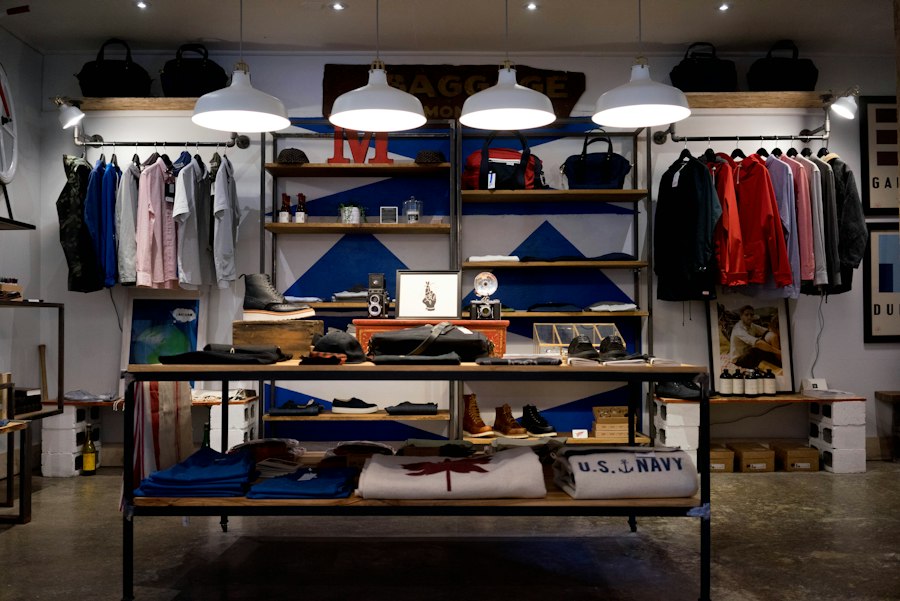
ERP for retail enables retailers to undertake different planning activities, centering around the strategies to be used to increase retail store turnover.
It streamlines activities related to store administration like market analysis, merchandising, inventory management, workforce management and much more.
This module empowers retailers of all types and sizes to adequately manage stock levels and track products, directing the consistent flow of units into and out of current stock, which often represents the highest share of working capital as raw material, WIP and finished goods.
It manages the end-to-end supply chain for retailers. While delivering items and handling massive amounts of information scattered across the world, ERP keeps data interconnected and easily accessible by all relevant stakeholders.
Tracking past patterns and anticipating future demands is simpler and more precise with ERP for retail. Maintain consumer loyalty, boost sales and reduce inventory carrying costs.
It effectively captures vendor details, lead time, performance and other information. Compare vendors and choose your preferred vendor with ERP for retail.
With an automated process for capturing customer information, preferences and activities, customer management becomes easy. Get new customers, identify your best customers, keep them engaged and build your brand.
Retailers can manage accounting effectively with a comprehensive set of tools for all financial aspects of the business, while maintaining a high level of regulatory compliance.
ERP for retail helps in process management and gives access to real-time reports, providing insights into the financial health of a retail business. It is also used for producing specific compliance reports.